
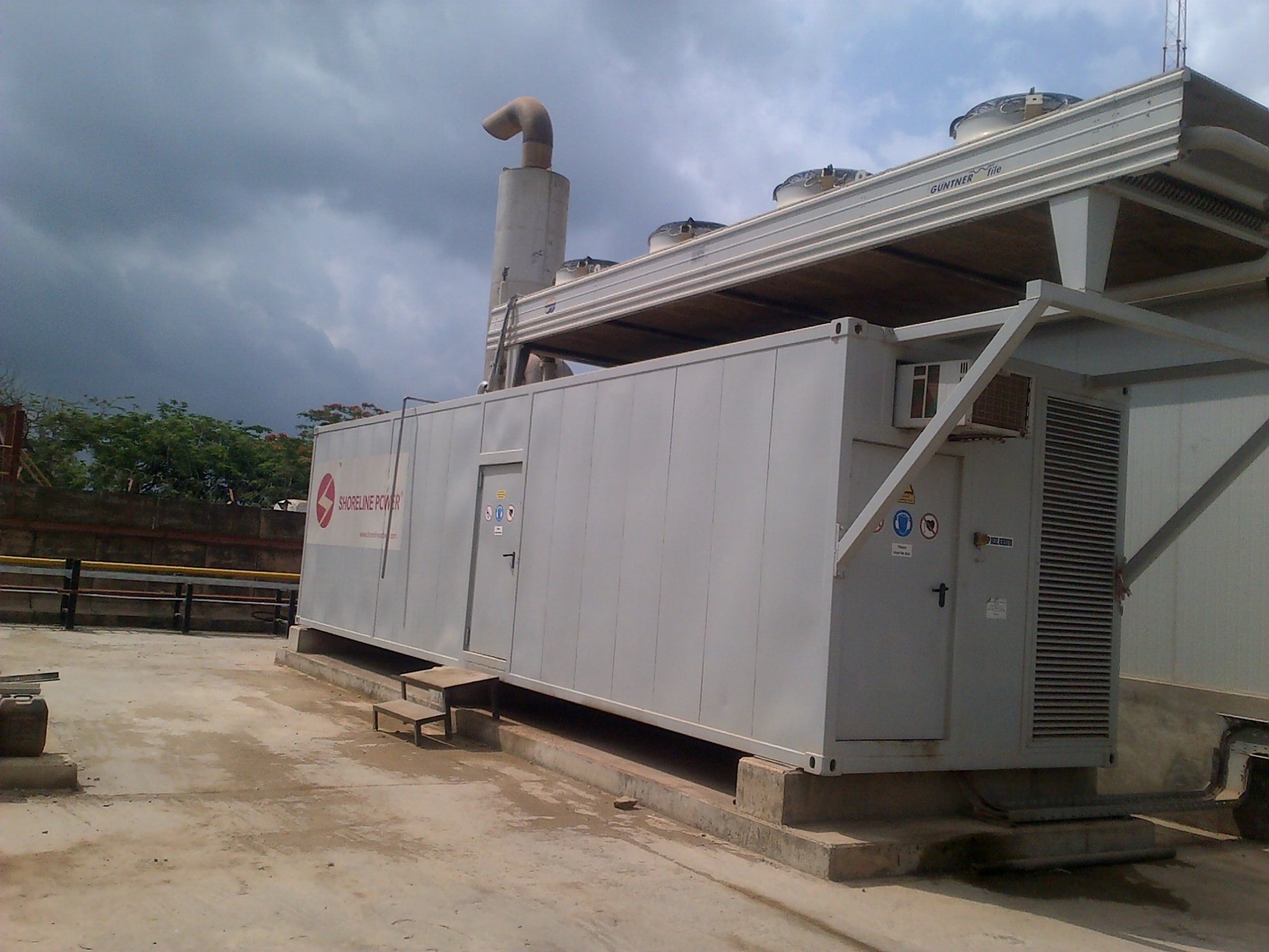
Natural and non natural gas genset


INTRODUCTION


It is an internal / external combustion engine coupled with genset to generate power. Various fuels like Natural Gas / Special or Non Natural Gas / Diesel can be used to power engine to generate electrical energy.


We at TEG provides complete end – to – end solution using Natural / Non- Natural / Diesel for power generation using internal combustion engines and turbines.


NATURAL GAS

The composition of gas can vary from site to site. Natural gas consists of methane, propane, ethane and butane. In general, methane is the primary content and a small percentage of ethane and propane is also found. Power generation using natural gas is very common and widely used across industries


PRODUCER GAS

Producer gas / Wood gas is generated by burning wood or biomass in an oxygen controlled environment. Approx. major ingredient is Nitrogen which is around 50%, Carbon Monoxide and Hydrogen is around 18% each, Methane is around 3% and rest is Carbon dioxide. This is a weak gas with an LCV of around 1100 Kcal/nm3, hence modified engines by increasing compression ratio is used for these type of gases for power generation


LPG

Liquefied Petroleum Gas (LPG) is a mixture of butane and propane in the approx. ratio of 3:2. The calorific value of LPG is 24635 Kcal/m3. Standard / also modified gas engines are used for such application.


HYDROGEN GAS

Flammability limit of hydrogen in an internal combustion engine is very high, enabling it to operate over a wide range of equivalence ratio: from ultra-lean mode to stoichiometric conditions. With a definite range of lean operation, we can achieve maximum thermal efficiency and minimum NOx emissions and without any problems of backfire in the engine.